
Joint Pain (Arthralgia) Treatment in London
Treatment
Joint pain treatment at London Wellness
Arthralgia simply means joint pain. It can affect one joint or several, and range from stiffness first thing in the morning to pain that stops you exercising or sleeping well.
Joints need good mobility to stay pain-free, which is why they are a major focus for our chiropractors and physiotherapists. We find out why your joints hurt and treat the cause, not just the pain.
How a chiropractor helps joint pain
Joint pain can come from injury to the ligaments, tendons or bursae around a joint, from wear and tear, or from arthritis. Pain in several joints at once is more often linked to inflammation, gout or a long-term joint condition such as osteoarthritis or rheumatoid arthritis.
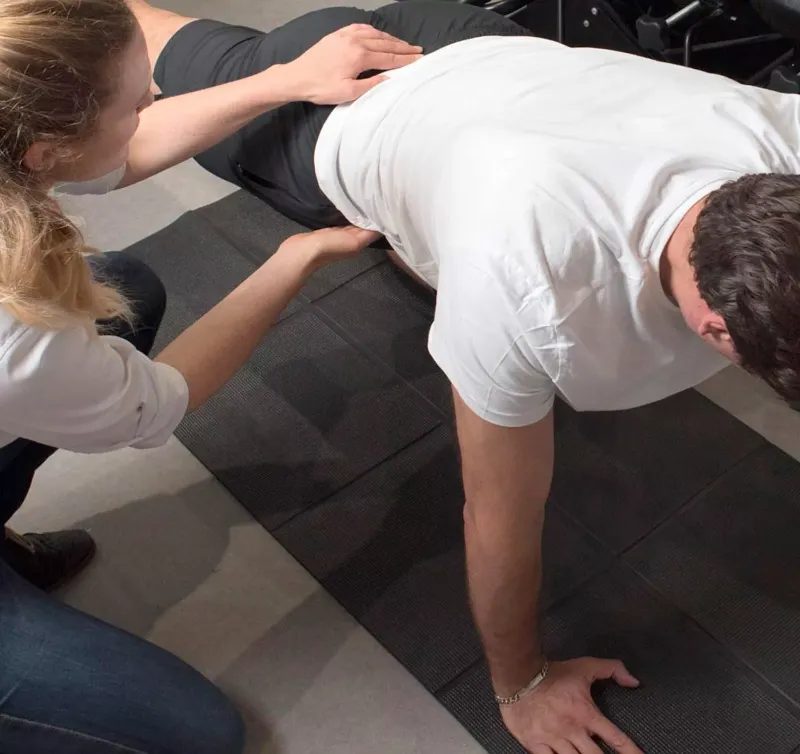
Your clinician will assess how the painful joint and the joints around it are moving, then use joint mobilisation, soft tissue work and exercise to improve movement and reduce pain. We will also give you lifestyle advice to help stop the problem flaring up.
If anything suggests an inflammatory condition, we will recommend you see your GP for tests alongside your treatment.
Sacroiliac (SI) joint pain
The sacroiliac joints connect the base of the spine to the pelvis. SI joint pain is felt low in the back or buttock, sometimes spreading into the thigh, and is often confused with sciatica. It is common during and after pregnancy.
We will show you specific SI joint exercises and build a personalised treatment plan to help your back and pelvis move well again.

Joints we commonly treat
- Spinal joints in the neck and lower back (back pain)
- Knees (knee pain)
- Shoulders (shoulder pain)
- Hips and the sacroiliac joints
- Elbows, wrists and ankles, including tennis elbow and ankle sprains
Wondering about clicking joints? Read why joints crack. Thinking about supplements? See our article on joint support.
How physiotherapy and massage help joint pain
Physiotherapy is especially useful for painful knees, hips and shoulders. Strengthening the muscles around a joint takes pressure off it, and guided exercise improves the range of movement you have lost through stiffness or pain.
Massage therapy eases the muscle tension that often builds up around a painful joint as your body tries to protect it, which can make movement more comfortable.
Joint pain that keeps coming back is often linked to the way the joints above and below it are working. A stiff lower back can overload the hips, and stiff hips can overload the knees. Your clinician will check the whole chain, not just the joint that hurts, and build a plan that combines treatment in the clinic with exercises you can do at home or in the gym.
Looking after painful joints
Simple habits help keep joints comfortable between treatments:
- Keep moving: regular low-impact exercise such as walking, swimming or cycling helps stiff joints
- Strengthen the muscles around the joint to take load off it
- Use heat for stiffness and ice for a hot, swollen joint
- Maintain a healthy weight to reduce strain on knees and hips
- Pace activities rather than doing everything at once
Your first joint pain appointment
We ask about which joints are painful, when it started and what makes it better or worse, then examine how the joints move. A chiropractic assessment takes 60 minutes (£95), with follow-up treatments of around 15 minutes (£65). Physiotherapy assessments last 45 minutes. See our price list.
Joint pain FAQs
What is arthralgia?
Arthralgia is the medical term for joint pain. It describes the symptom rather than a diagnosis, which is why a proper assessment matters.
Can a chiropractor help arthritis pain?
Chiropractic and physiotherapy cannot reverse arthritis, but they can help reduce pain and stiffness and keep joints moving. We will work alongside any care from your GP or specialist.
Why do my joints hurt more in cold weather?
Many people notice joint pain is worse in cold, damp weather. Read our article on cold weather and joint pain.
What is musculoskeletal pain?
Musculoskeletal pain is pain in the muscles, bones, joints, ligaments or tendons. Joint pain is one of the most common types we treat.
Should I take supplements for joint pain?
Some people find supplements such as glucosamine helpful, but the evidence is mixed. Read our article on joint support and check with your GP or pharmacist before starting any supplement.
Where can I get joint pain treatment in London?
At our Canary Wharf clinic and our Monument clinic in the City of London.